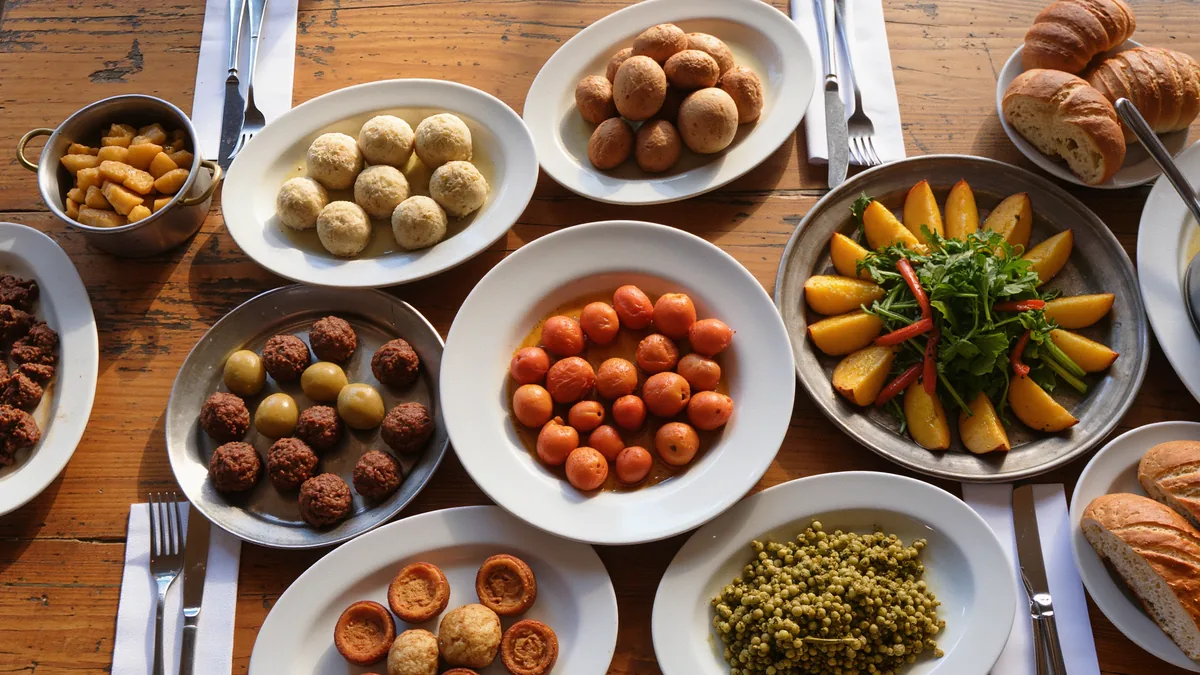
How to Price Meal Prep So You Actually Make a Profit
Meal prep pricing done right: start at true per-meal cost, set a target food-cost percentage, then price the box — plus the volume math that decides profit.
Read the post →
What It Actually Costs to Run a Ghost Kitchen (Monthly Breakdown)
The honest ghost kitchen cost breakdown, month by month: commissary rent, delivery commissions, packaging, labor — and the one line you actually control.
Read the post →
How to Start a Meal-Prep Business Without Losing Money on Every Box
How to start a meal prep business without losing money on every box: the fast startup checklist, then the per-box food cost math the other guides skip entirely.
Read the post →
Ghost Kitchen Food Cost: The Margin Math That Decides If You Survive
Ghost kitchen food cost decides whether you survive — delivery commissions come off the top and there's no dine-in check to hide a weak plate. The real math.
Read the post →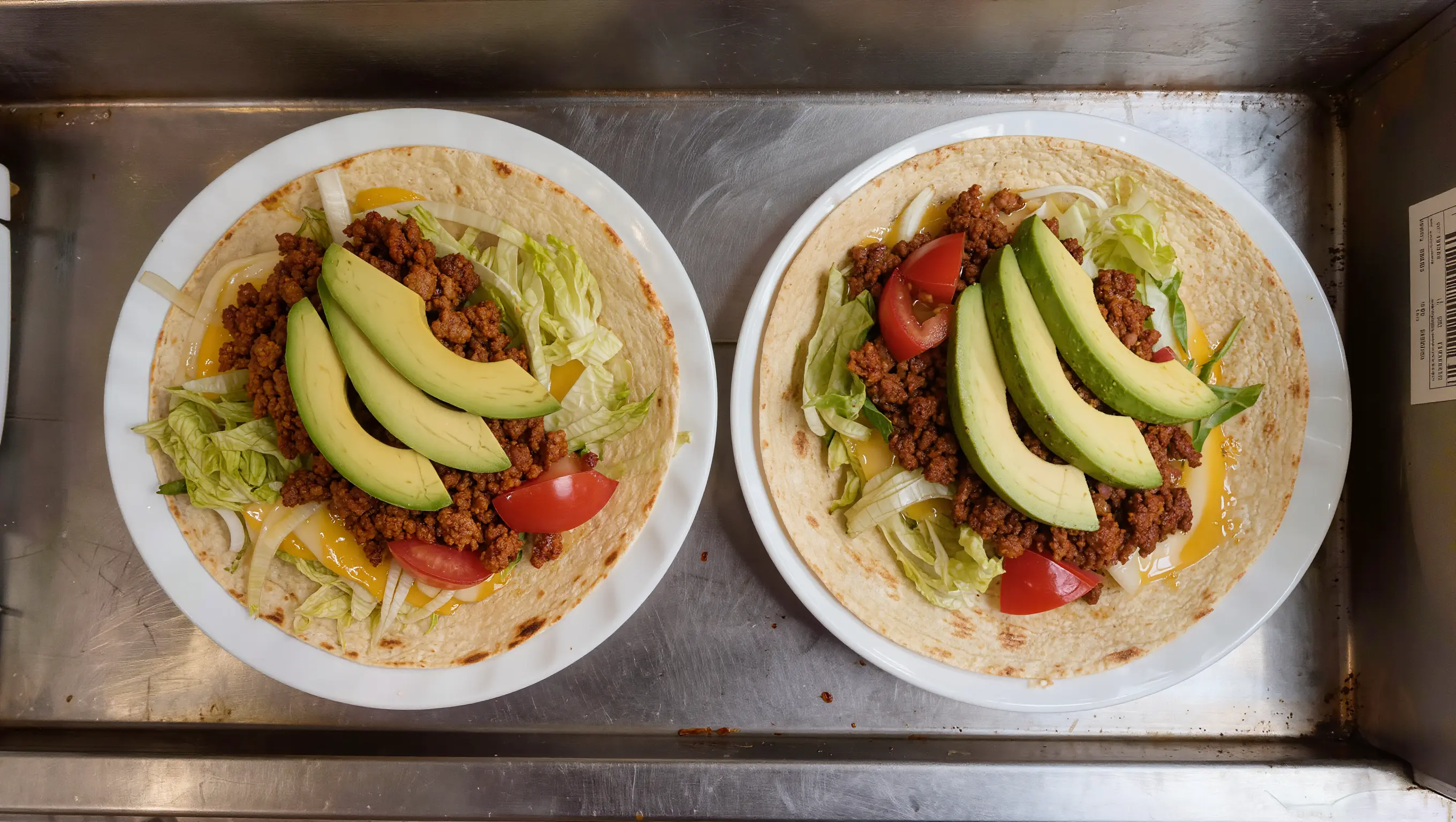
How to Use a Restaurant Food Cost Calculator (Formula + Real Example)
A restaurant food cost calculator turns one plate's ingredients into a food cost % you can act on. Here's the formula, a filled example, and how to read it.
Read the post →
Restaurant Prime Cost: The One Number That Predicts Survival
Restaurant prime cost — food plus labor — predicts whether you keep the doors open. Here's the formula, the 65% line, and how to track it every week.
Read the post →
How to Handle Supplier Price Increases (+ Email Template)
A supplier price increase just landed. How to handle supplier price increases in three moves — verify, push back, adjust — plus a copy-paste rep email.
Read the post →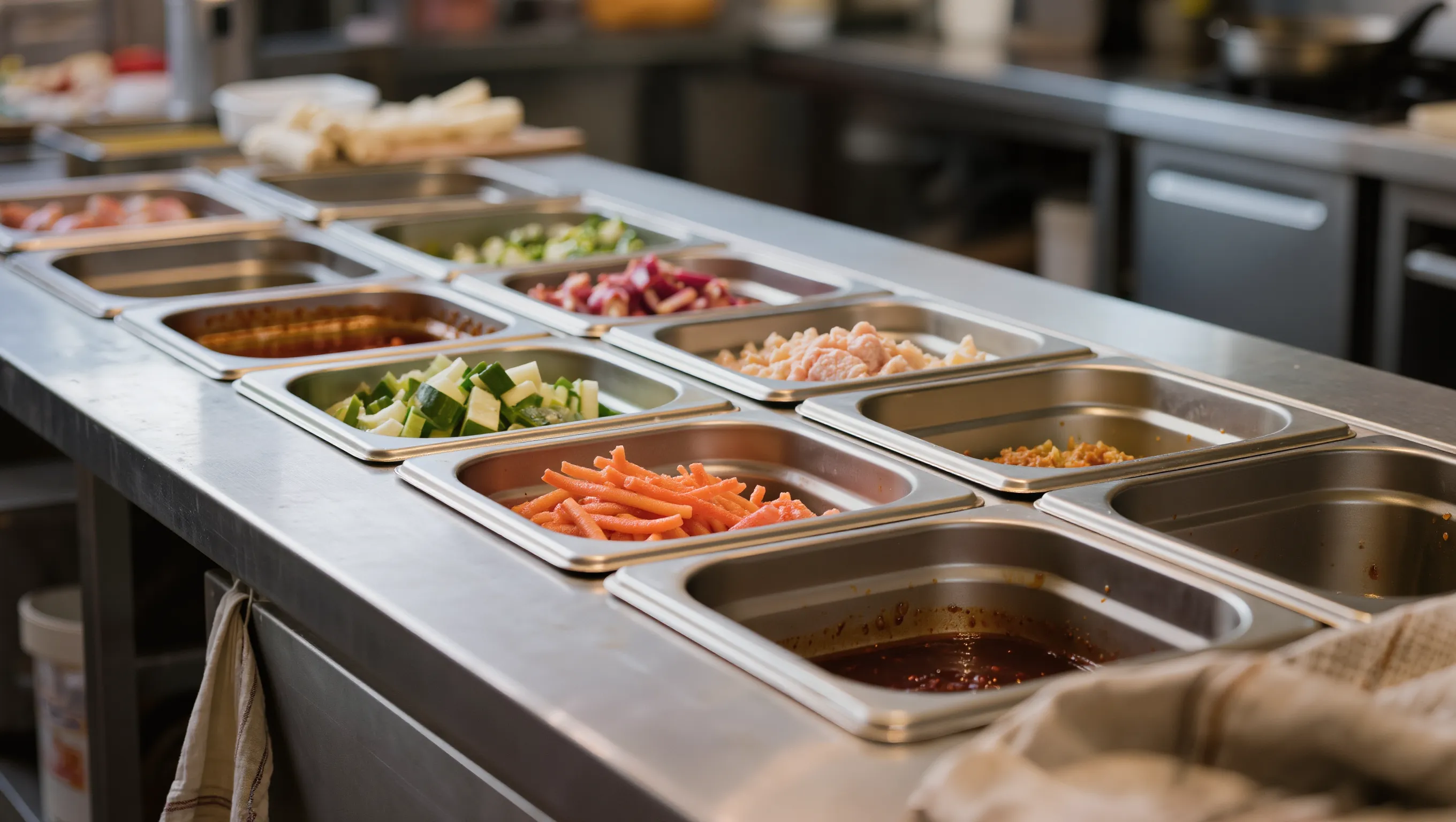
Average Restaurant Profit Margin (and 7 Levers to Improve It)
The average restaurant profit margin is a thin 3–9% net. Here's where every dollar of sales actually goes, and the 7 levers that move what's left, in order.
Read the post →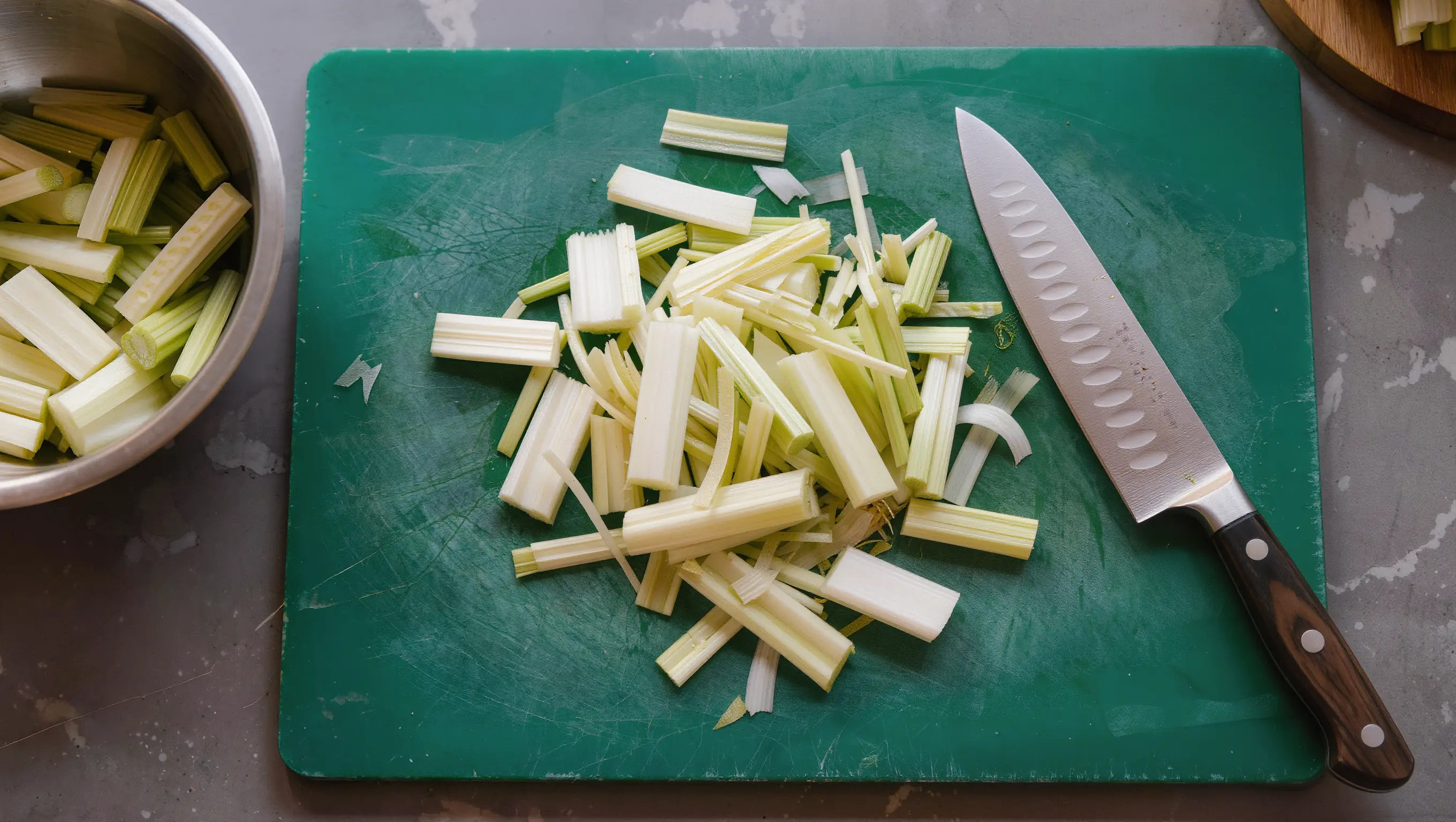
12 Ways to Reduce Food Cost Without Cutting Quality
How to reduce food cost without cutting quality: 12 concrete moves in the order that protects the plate — portion and waste first, supplier next, price last.
Read the post →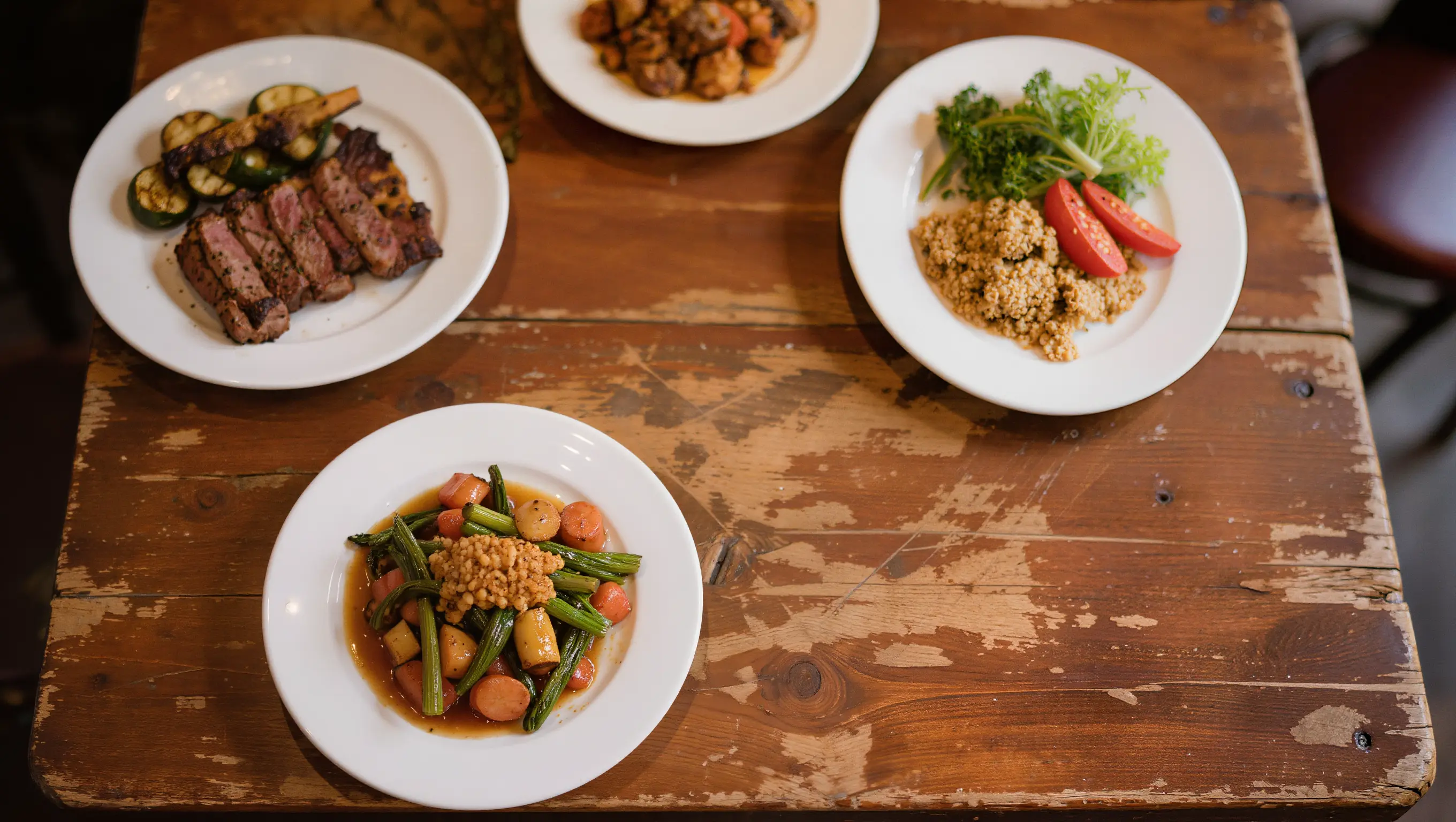
How to Price a Menu Item: Plate Costing Step by Step
How to cost a menu item from the plate up: build the true plate cost, set a target food cost %, then price it to the market — with a full worked example.
Read the post →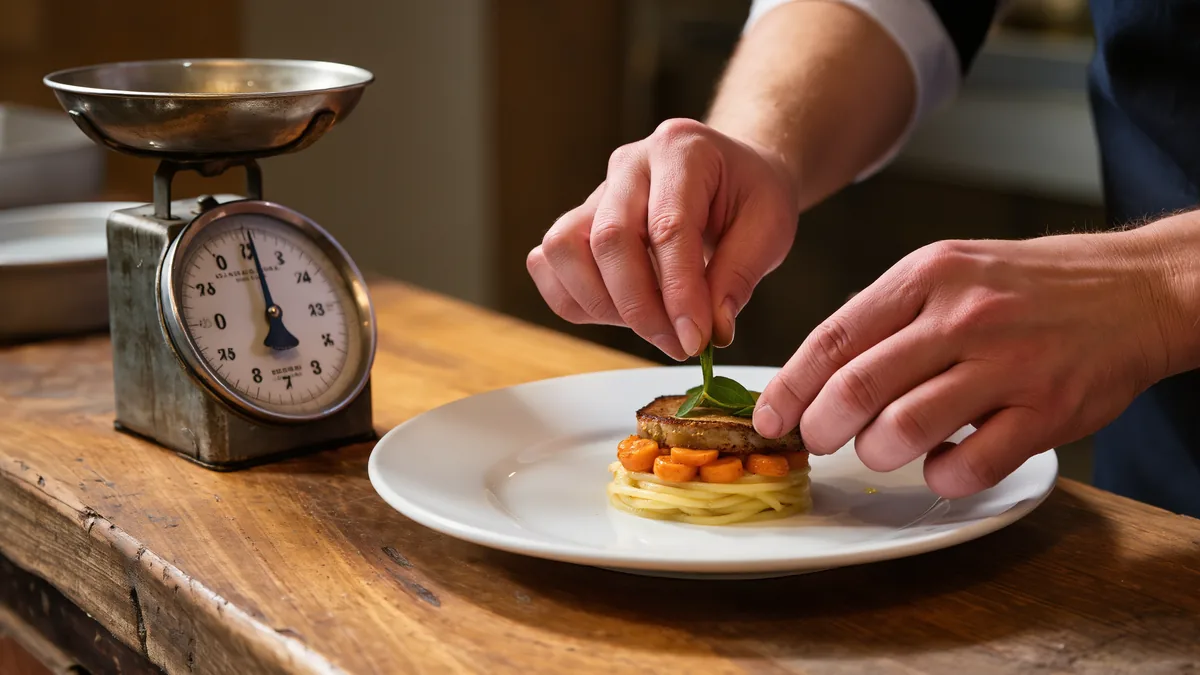
How to Calculate Food Cost Percentage (Formula + Example)
How to calculate food cost percentage: plate cost divided by menu price, times 100. A worked example, the monthly formula, and the hidden costs that inflate it.
Read the post →
What Is a Good Food Cost Percentage? (By Restaurant Type)
What is a good food cost percentage? For most restaurants, 28-35% — though it shifts by format. Benchmarks by restaurant type, and what a good number hides.
Read the post →
MarginEdge & Meez Alternatives for Independent Restaurants
Need a MarginEdge alternative or a Meez alternative? An honest look at cheaper, simpler recipe-costing options for independent restaurants in 2026.
Read the post →
Best Recipe Costing Software for Small Restaurants (2026)
An honest guide to recipe costing software for small restaurants — what Mise, Meez, MarketMan, MarginEdge, and Restaurant365 cost in 2026, and who each fits.
Read the post →
The 30/30/30/10 Rule for Restaurants, Explained (and the 60/40 Rule)
The 30/30/30 rule restaurant owners quote splits every sales dollar into food, labor, overhead, and profit. What each bucket really includes, and the catch.
Read the post →
How to Raise a Menu Price Without Losing Your Regulars
Repricing is the last lever, not the first — but sometimes it's the right one. Here's how to raise a price deliberately so your regulars stay, and the increase actually sticks.
Read the post →
Which Dishes to Cut and Which to Just Fix
A dish that isn't earning isn't automatically a dish to cut. Here's how to tell the difference — and why your biggest money-loser might be your biggest opportunity.
Read the post →
When to Switch Suppliers vs. Renegotiate
A supplier raised a price. Do you push back or walk? Here's how to tell which one the situation actually calls for — before you damage a relationship you need.
Read the post →
How to Reformulate a Dish Without Customers Noticing
When the portion's tight and the supplier won't budge, reformulating is the last lever before a price hike. Here's how to do it so the customer tastes the same dish.
Read the post →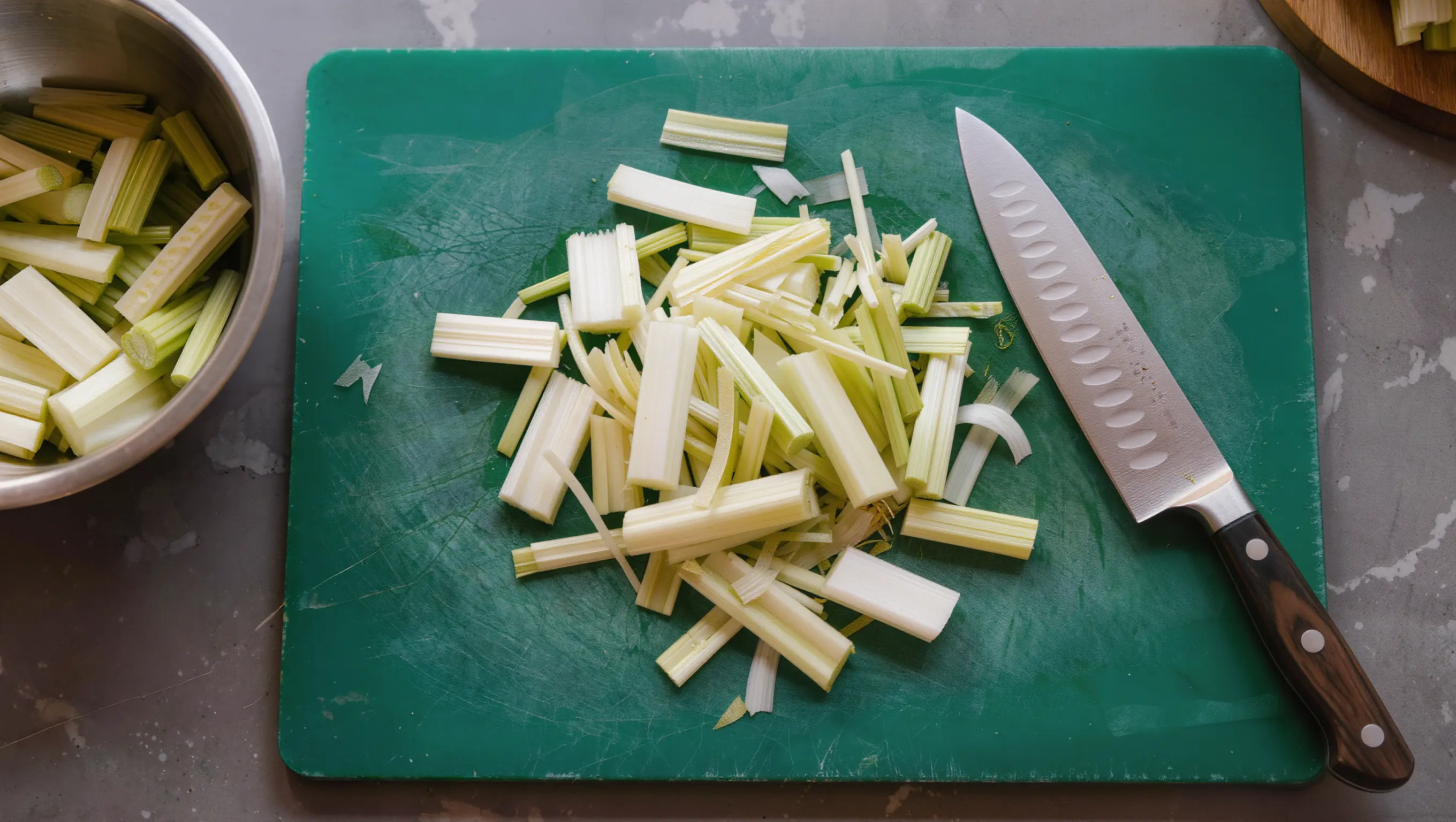
Trim Waste: The Cost You Throw in the Bin
The price on your invoice is for what you bought, not what you can use. Here's how trim, peel, and cooking loss inflate your real cost per dish — before a single plate goes out.
Read the post →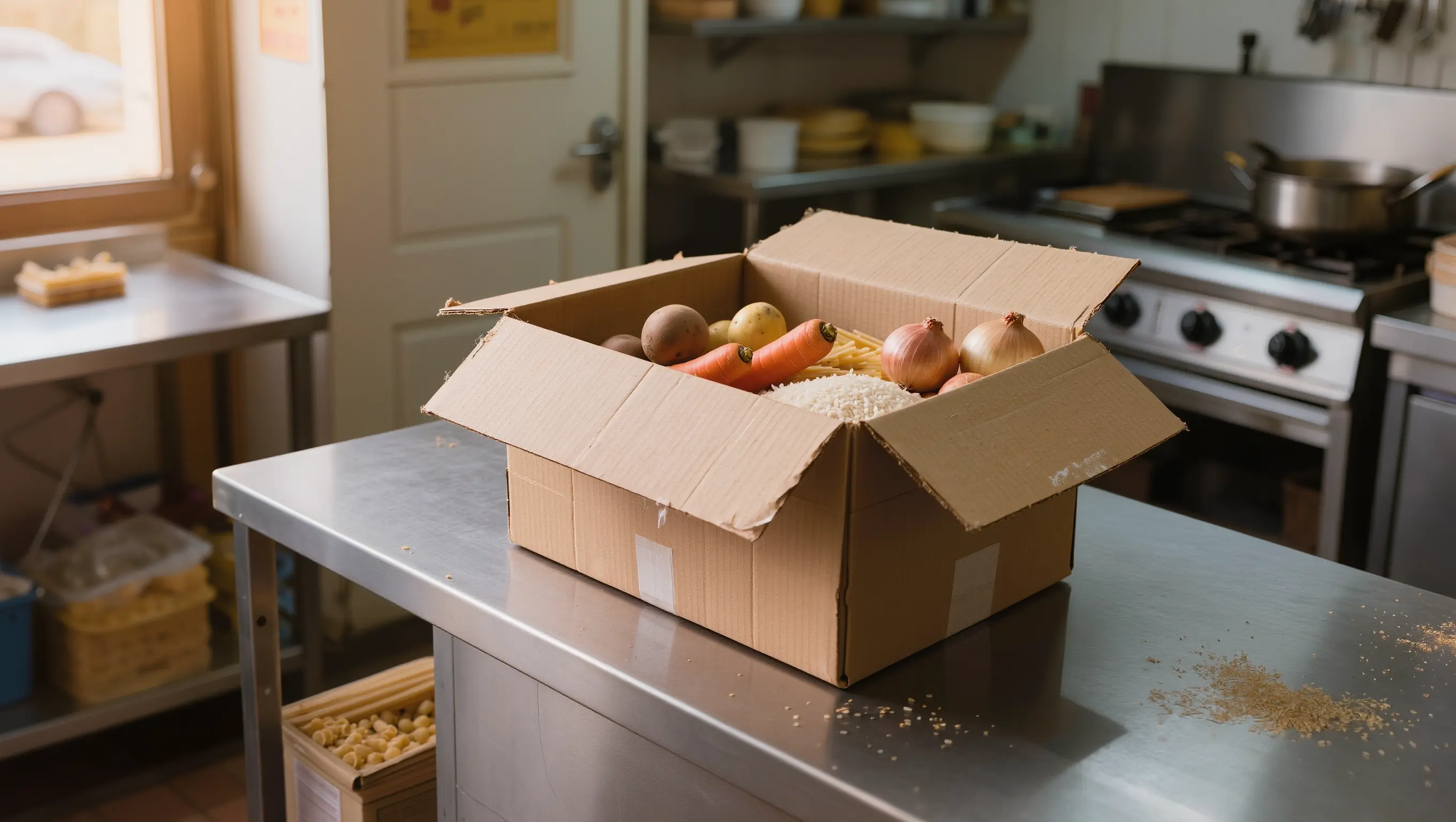
How to Read a Supplier Invoice for Hidden Cost Creep
Most cost increases arrive buried in an invoice you have four seconds to sign. Here's exactly what to look for — line by line — to catch them before they reach your dishes.
Read the post →
Why Your Busy Restaurant Still Isn't Making Money
A full dining room doesn't guarantee profit — and sometimes it guarantees the opposite. Here's why the problem lives in what each dish costs and earns, and how to fix it without raising prices first.
Read the post →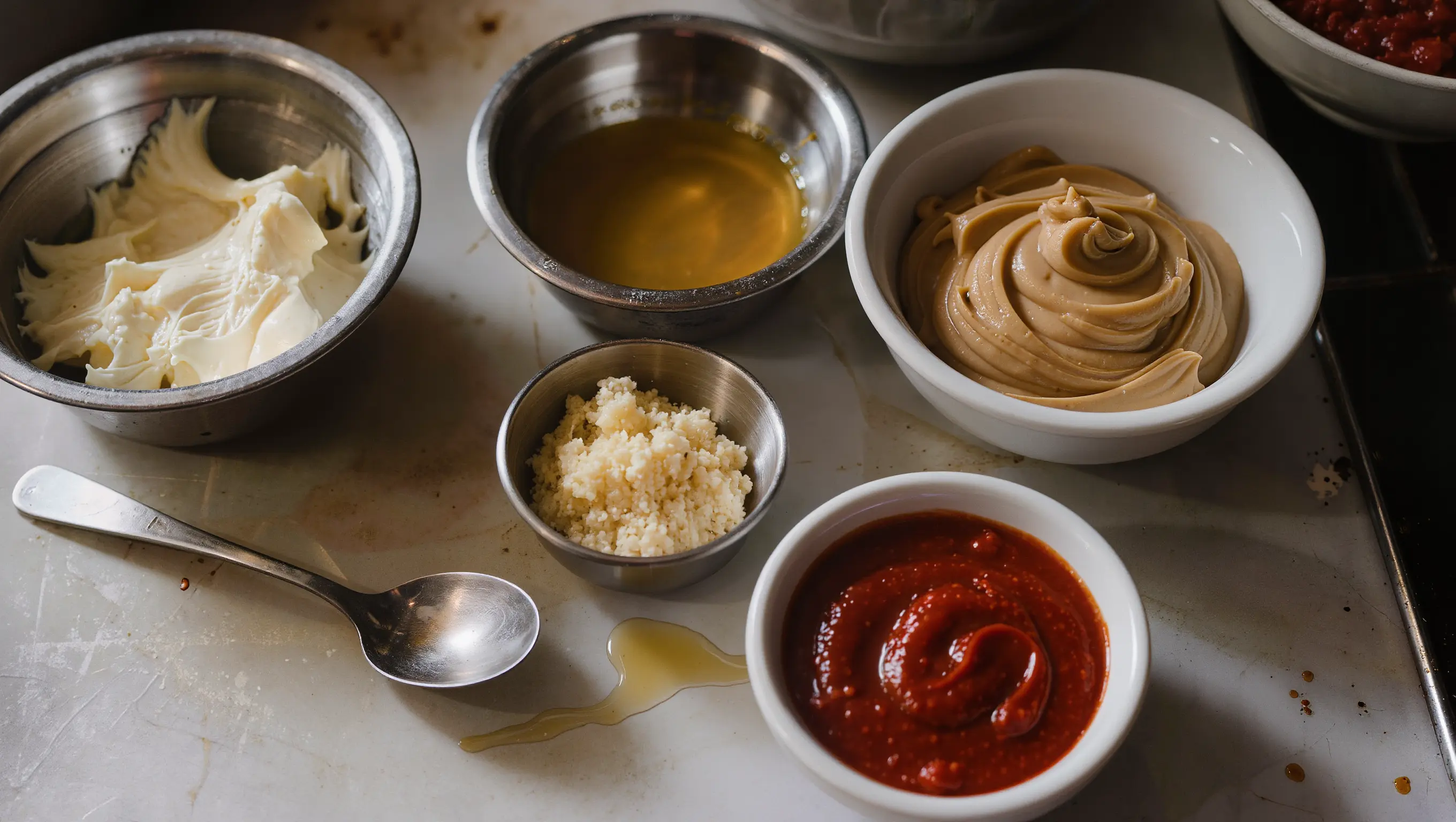
The Sauce That's Quietly Eating Your Margin
The sauces you make in-house never show up on a supplier invoice, so they almost never get costed. Here's how the things you make — not buy — quietly drain a dish.
Read the post →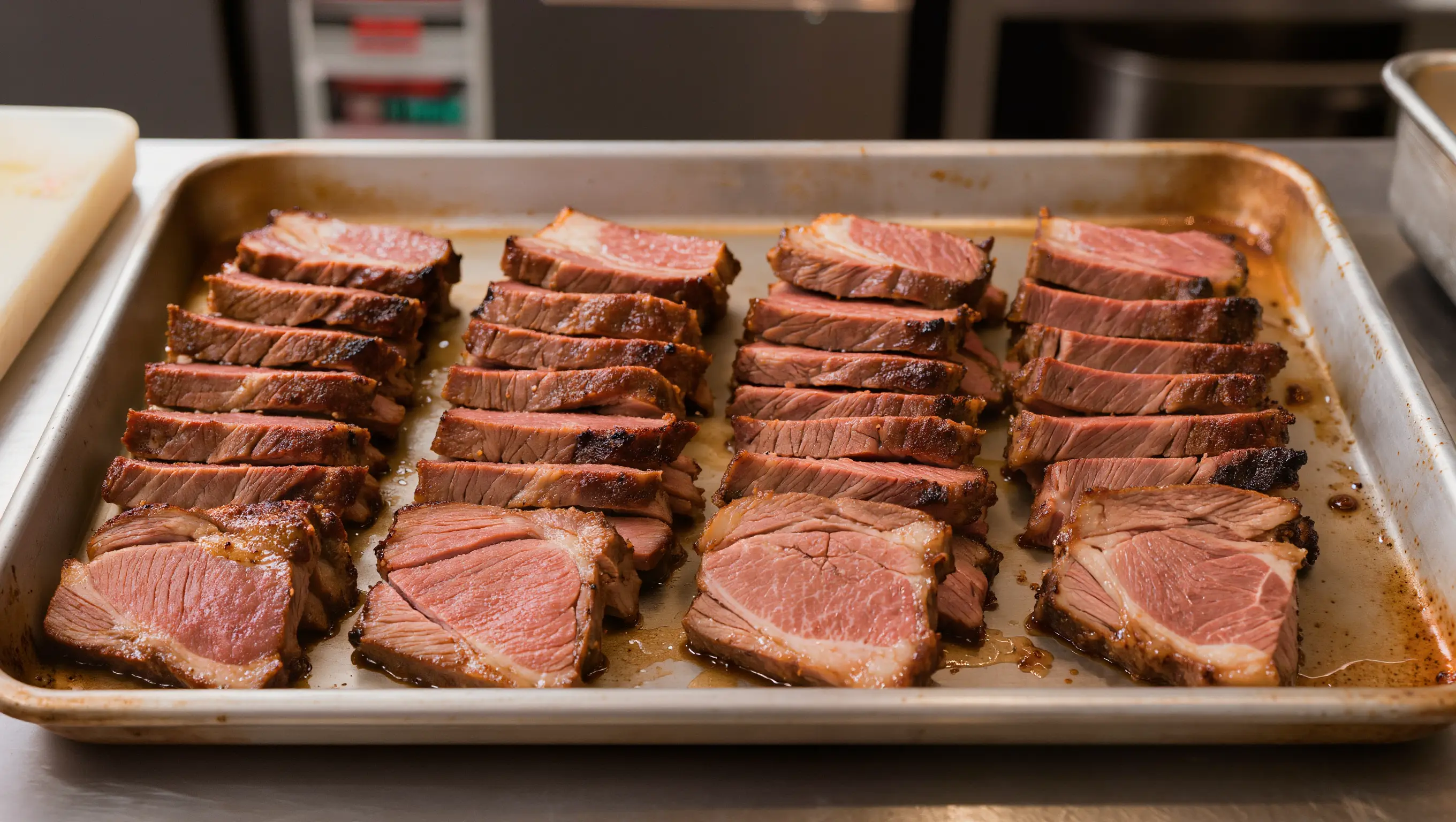
How to Audit Your Portions Without Stopping Service
A portion audit doesn't mean standing over the line with a clipboard during rush. Here's how to run one inside a normal service — and make the right portion stick.
Read the post →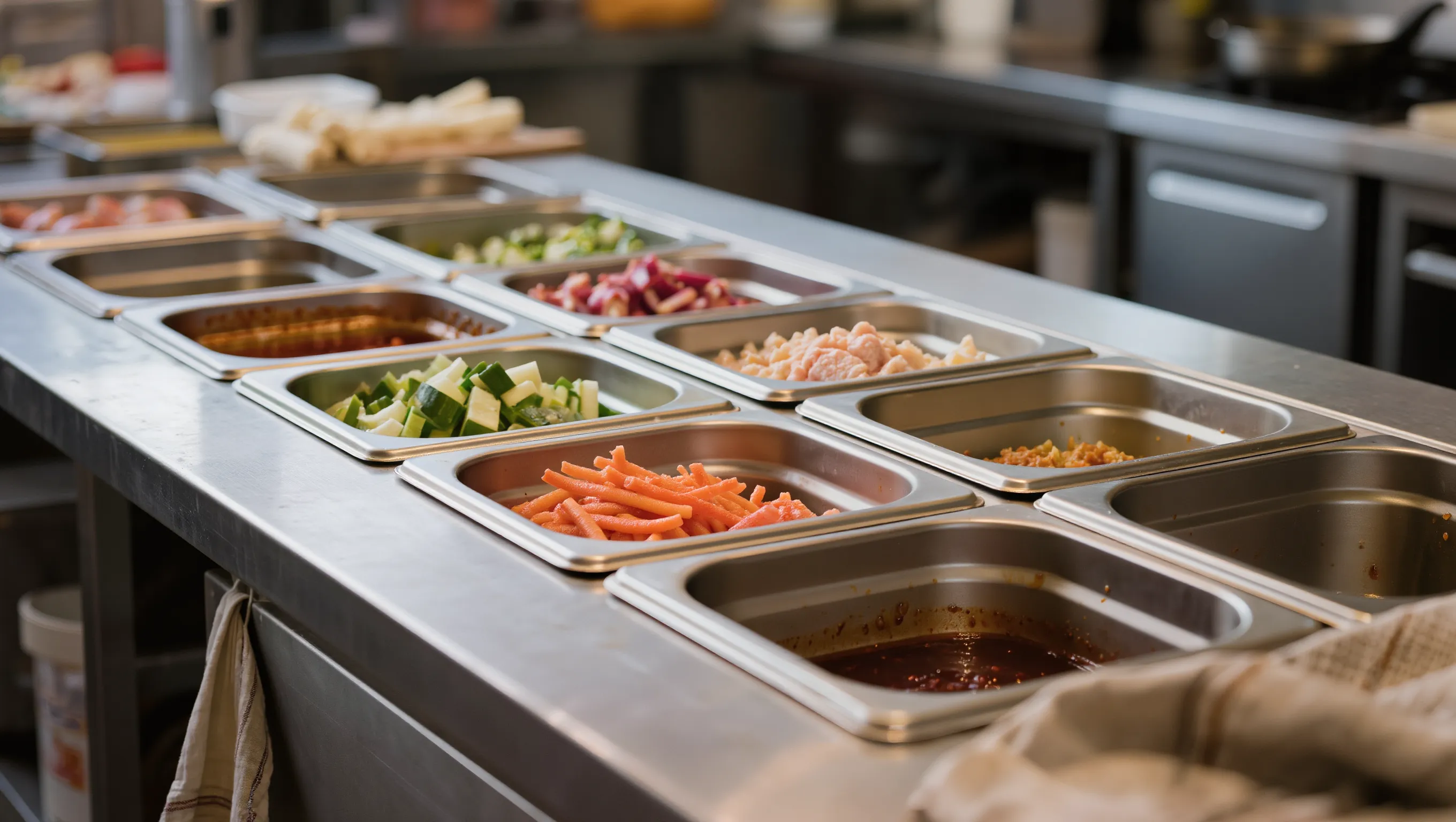
Why Your Food Cost % Crept Up but Nothing 'Changed'
Your food cost percentage drifted up a point or two and you can't point to why. Here's what's usually moving underneath — and why the number itself won't tell you.
Read the post →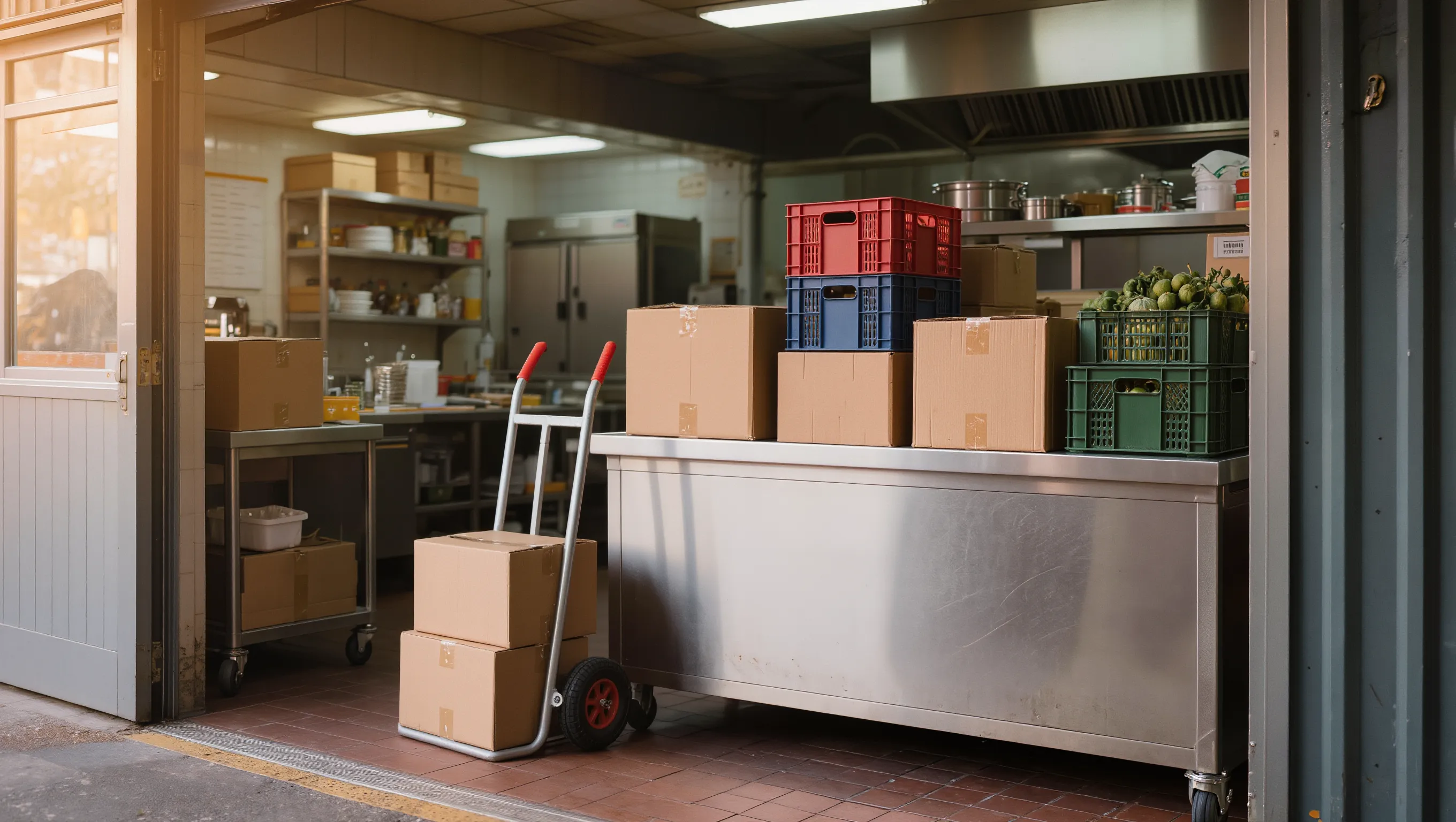
Your Supplier Raised Prices and Didn't Tell You
A supplier price increase rarely arrives as a phone call — it shows up as a slightly bigger number on an invoice nobody re-totals. Here's how to catch it before it eats your margin.
Read the post →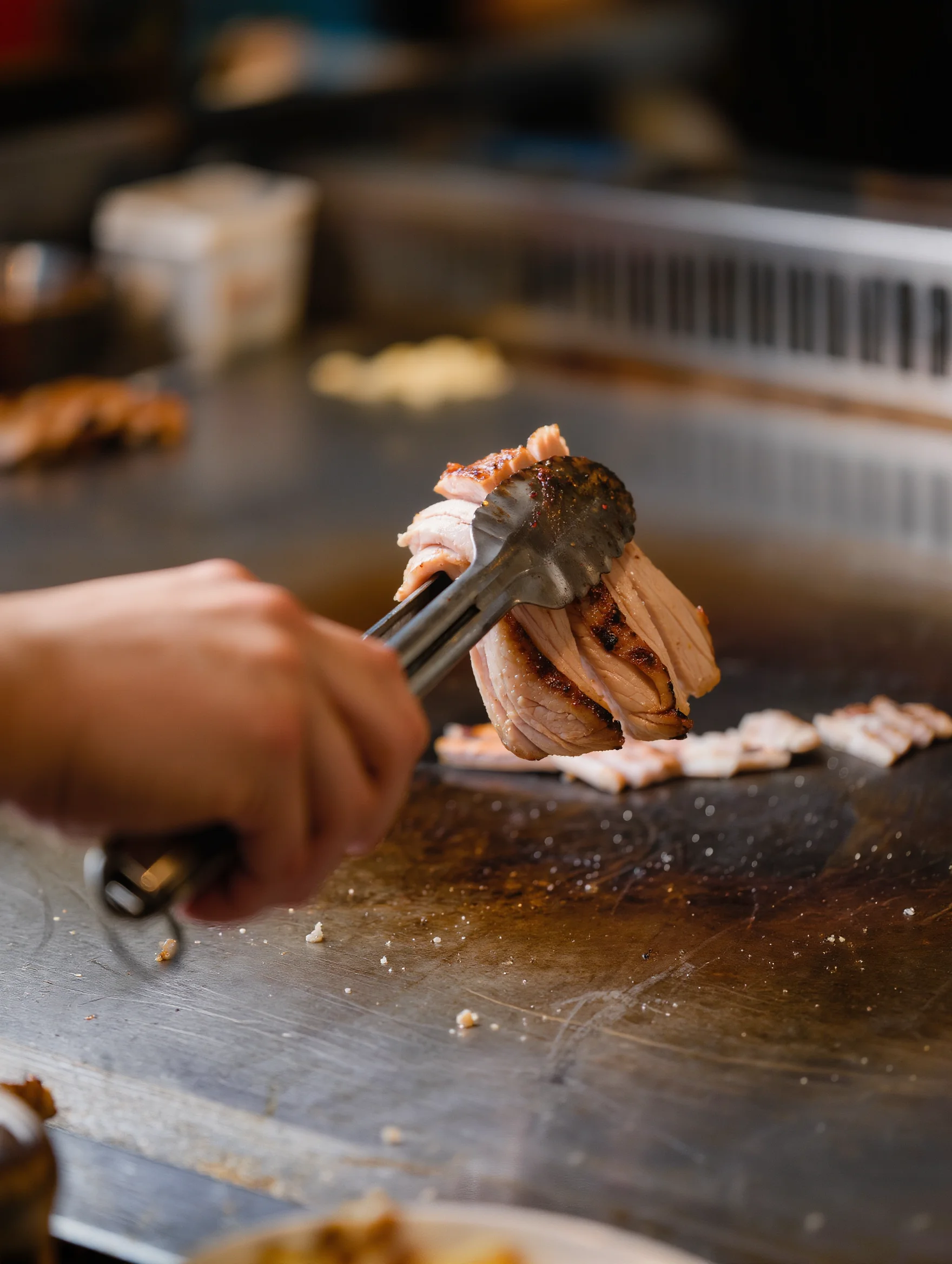
The Most Expensive Thing on Your Menu Is the One You Eyeball
The biggest cost in most dishes is the protein portion — and it's the one cooks measure by feel. Here's how to find that leak before you ever touch a price.
Read the post →