How to Reformulate a Dish Without Customers Noticing
You’ve done the cheaper work. The portion’s tight, you’ve talked to the supplier, and the dish still isn’t carrying its cost. The next lever — before you touch the menu price — is the recipe itself. And it makes people nervous, for a good reason: change a dish wrong and your regulars notice immediately. The whole point is to change it right, so the person eating it tastes the same thing they came back for.
That’s a real skill, not a trick. Here’s how to do it without wrecking the dish.
Start where the customer isn’t looking
The first rule of quiet reformulation: change the parts of the dish that aren’t the reason people order it. Every dish has a star and a supporting cast. The star is what the customer is actually here for — the protein, the signature sauce, the thing they’d notice in a heartbeat. The supporting cast is everything else: the filler, the garnish, the second sauce, the side, the components that round the plate out but aren’t why anyone chose it.
You reformulate the supporting cast, not the star. A change to the thing nobody’s tasting closely buys you real cost without touching what makes the dish itself. Move on the star and you’re not reformulating, you’re replacing — and that’s the version customers catch.
The levers that don’t show
A few specific moves tend to save cost while staying invisible:
- Rebalance the ratio, not the ingredients. Often you don’t need to swap anything — just shift the proportions. A little more of the cheap, satisfying component and a little less of the expensive one, within the same dish, where the eye and the palate read it as the same plate. This is the gentlest move there is.
- Right-size a heavy component. The sauce pour that’s bigger than it needs to be, the cheese that’s doubled what the dish actually carries, the garnish that’s grown over time. Bringing an overbuilt component back to where it should be reads as normal, because it is normal — it’s the drift you’re undoing.
- Swap a grade, not a character. A different grade or form of the same ingredient — a slightly different cut, fresh versus frozen where it genuinely doesn’t change the result, a house version of something you’d been buying finished. Same flavor family, different cost. The test is whether it changes the taste, not whether it changes the invoice.
- Trade up your own waste. Sometimes the cheaper ingredient is one you’re already throwing away — trim that becomes a component, a stock that replaces a bought base. We wrote about this in trim waste; reformulation is where that recovered product earns its place on the plate.
Test it like the customer will
Here’s the part people skip and regret. A reformulation that works on paper has to survive the actual table. Before it goes live across every ticket:
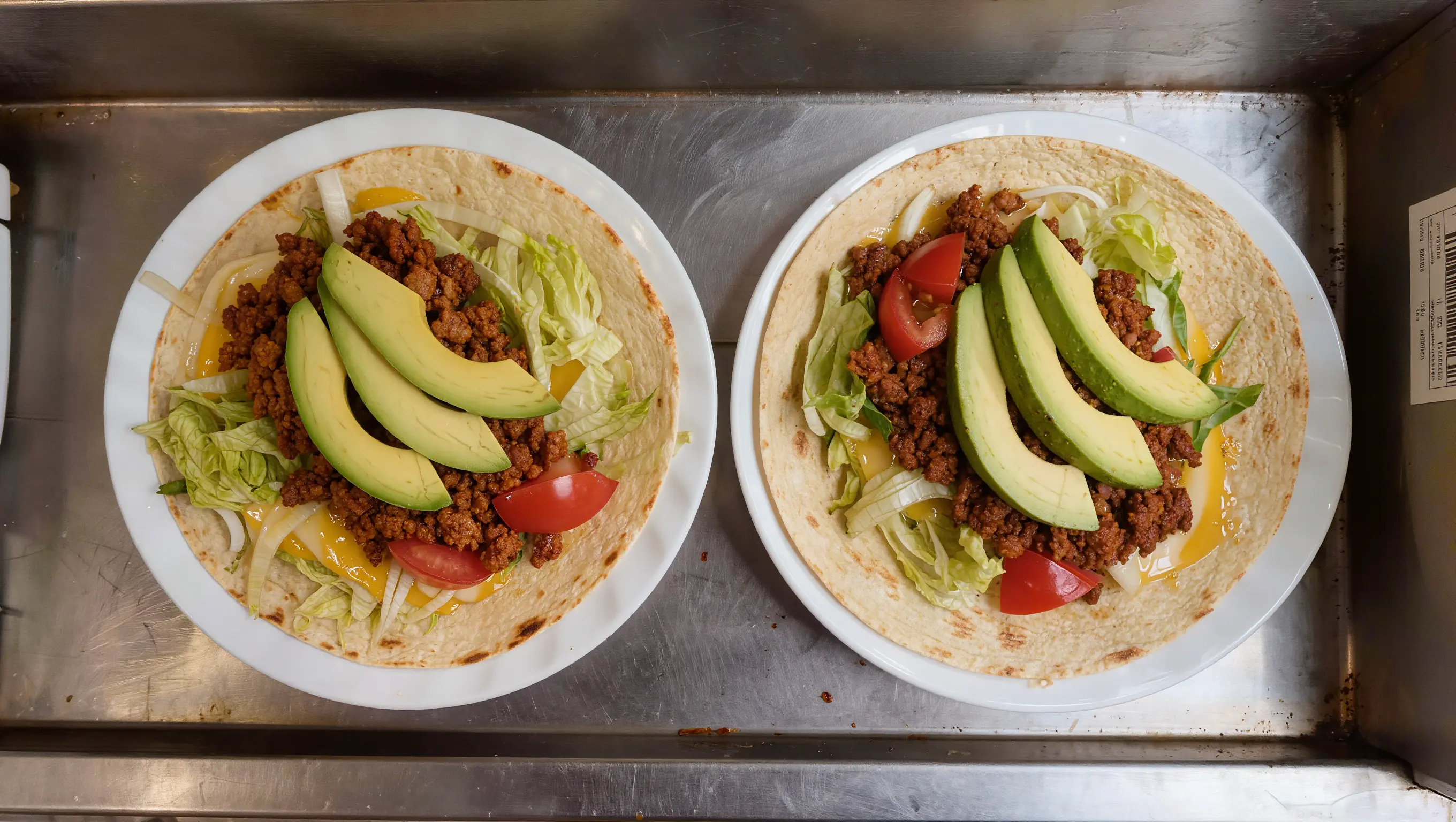
- Make both versions side by side. The current dish and the reformulated one, plated the same, at the same time. If you can’t tell them apart yourself, that’s the first hurdle cleared — but you’re biased, because you know.
- Put it in front of people who don’t know. Staff who didn’t build it, a few regulars you trust, anyone tasting blind. If nobody flags a difference unprompted, you’ve got a quiet change. If someone immediately says “this tastes different,” you went too far — pull back toward the original.
- Run it on a slow service first. Live, but low stakes. Watch the plates come back. Untouched is good. A new pattern of half-eaten dishes is the dish telling you no.
- Then commit. Once it’s held up blind and survived a real service, roll it across the menu and update your dish cost to reflect the new build.
Know when to stop
Reformulation has a floor, and respecting it is what separates protecting a dish from ruining it. If the only way to make a dish profitable is to change the thing people come for, you’ve left reformulation and entered degrading the product — and that costs you more than the margin ever will, because a regular who notices the dish got worse doesn’t complain, they just stop coming. At that point the honest move isn’t to keep cutting. It’s to accept that the recipe can’t close the gap, and go to the last lever: a deliberate price change on that specific dish, which we’ll cover on its own.
The order protects you here. Because you tightened the portion and worked the supplier first, you reach reformulation already knowing it’s a genuine recipe problem — and you know to stop before you touch the star.
The honest catch
A good reformulation is durable — you do the work once and the dish is rebuilt. But “rebuilt” is only as honest as the cost numbers under it, and those keep moving. The reformulated dish that earns today drifts right back toward trouble the next time a supplier price climbs, and now you’re re-evaluating whether the new build still holds.
That’s the whole reason Mise exists. When you reformulate, you update the dish’s build once; we keep its real cost current from there, against the prices you’re actually paying — so you know whether the reformulation is still doing its job months later, or whether the gap has reopened and it’s time to look again.
But you don’t need us to start. Take your most stubborn dish, find the supporting-cast component you can rebalance or right-size, and test it blind before it goes live. If you want to know whether your fix holds as costs keep moving — see what your menu actually costs →
Built by people who’ve worked the line, signed the leases, and stared at the books. We help independent restaurants know what every dish actually costs — and what to do about it.