How to Start a Meal-Prep Business Without Losing Money on Every Box
Search how to start a meal prep business and you’ll get the same checklist twenty times: get licensed, find a commercial kitchen, pick a niche, build an Instagram, launch. All of it is true and none of it is the thing that actually kills these businesses. Meal-prep companies rarely fail because the founder skipped a permit. They fail because they priced the box before they knew what the box cost — and at meal-prep volume, a small costing mistake doesn’t stay small.
So here’s the honest version: the startup steps, fast, and then the part nobody covers — costing one box before you price it, because that number decides whether every meal you sell adds a little money or quietly takes some.
The startup checklist, fast
You need these, and you can get them sorted in a few weeks:
- A legal kitchen. Most places don’t let you sell food cooked in your home kitchen at scale — you’ll rent a commissary or licensed commercial kitchen by the hour or the month. Check your local health department’s rules first; they vary by state and county.
- The permits. Business registration, a food handler’s / manager’s certification, and whatever your local health authority requires. This is boilerplate and every other guide covers it well.
- A niche and a menu. Macro-friendly, family dinners, single portions, a specific diet — pick a lane. A tight menu is also cheaper to run, because you buy fewer ingredients in bigger quantities.
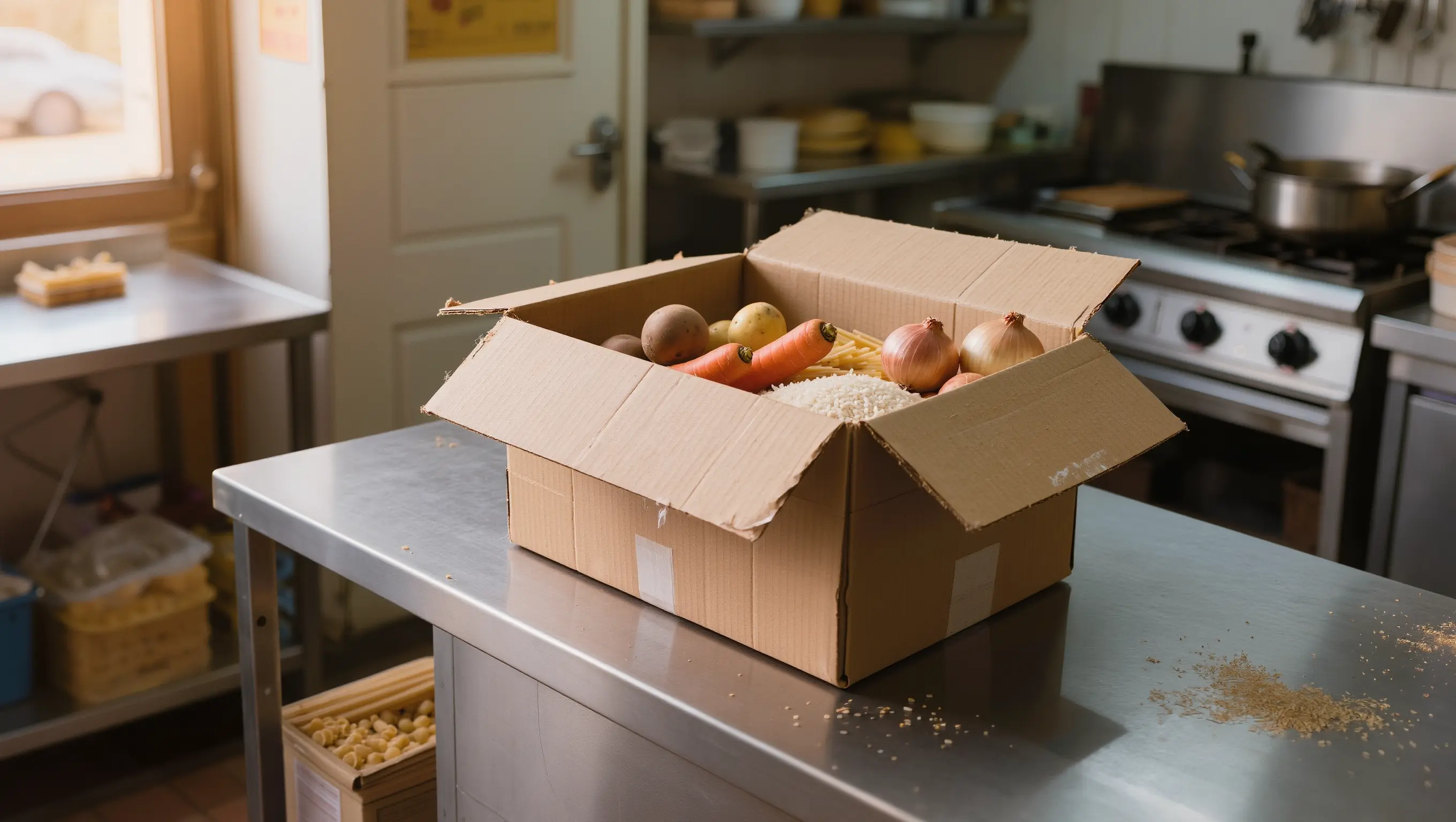
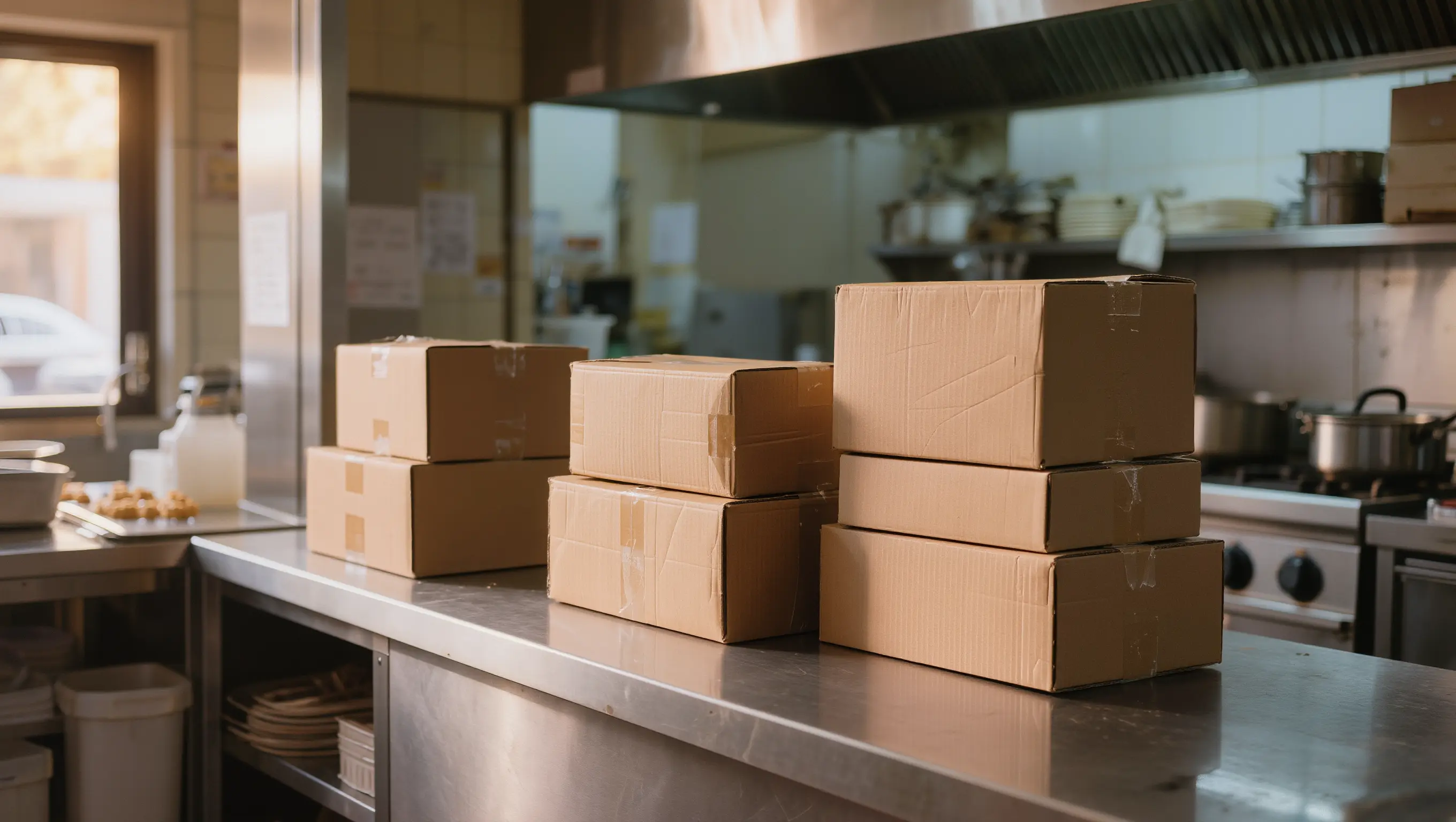
- Packaging. Containers, lids, labels, a bag or box for delivery. Order a small case and weigh the real per-box cost — it’s a line most founders forget until it’s eating their margin.
- A way to take orders. A simple site, a subscription tool, or even a form and a spreadsheet to start. Weekly ordering with a cutoff is what makes the buying predictable.
That’s the part the internet already tells you. Now the part it doesn’t.
Cost one box before you price a single one
Here’s the thing that separates a meal-prep business that lasts from one that burns out at month four: you have to know the fully-loaded cost of one box — food and packaging — before you set a price. Not roughly. To the dime.
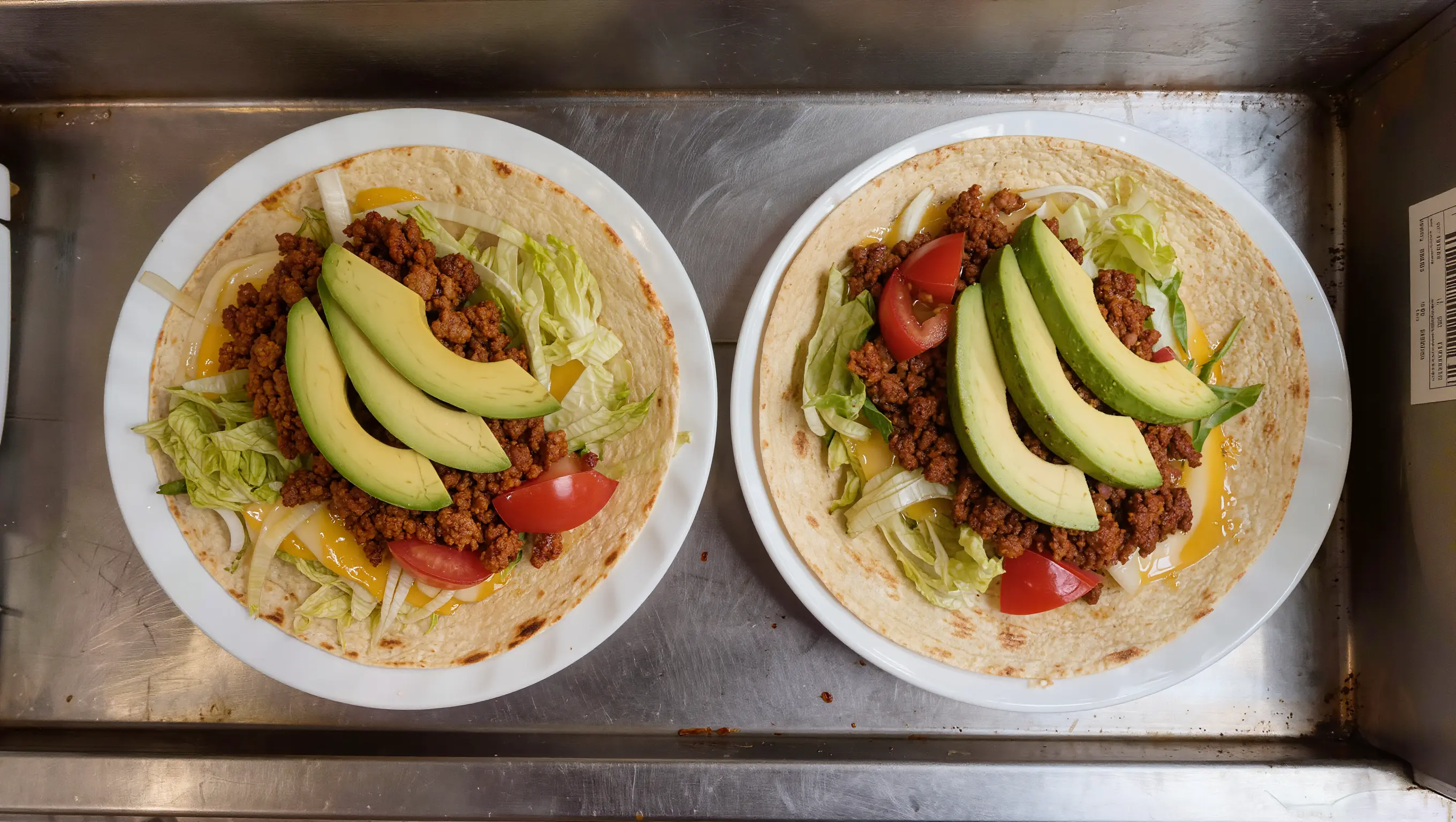
Here’s a single chicken-and-rice box, costed at what you’d actually pay:
| Line item | Portion | Cost |
|---|---|---|
| Chicken breast | 5 oz | $1.35 |
| Rice | 1 cup cooked | $0.30 |
| Roasted vegetables | — | $0.60 |
| Sauce | — | $0.20 |
| Oil, seasoning | — | $0.10 |
| Container, lid, label | 1 | $0.55 |
| Total cost per box | $3.10 |
Now you can price with your eyes open. If you sell that box at $11, your food-and-packaging cost is $3.10 ÷ $11 = 28% — a healthy target that leaves real room for labor, delivery, and profit. Set your target food-cost percentage first (most meal-prep operators aim for the 28–35% range), then price the box to hit it. That’s the whole discipline, and it’s the same plate-costing logic in how to price a menu item — just applied to a box instead of a plate.
Run your own box through the free food cost calculator before you commit to a price. Two minutes now saves you from repricing your whole menu in a panic three months in.
Why a three-point miss becomes the whole margin
A restaurant sells forty different dishes a few times a night, so a costing error on one plate gets diluted. Meal prep is the opposite: you sell the same few boxes, hundreds of times a week. That repetition is the business model — and it’s also what turns a rounding error into a real number.
Say you undercosted that box by just $0.40 — you forgot the sauce and the label, or the chicken portion crept from 5 ounces to 6. On one box, forty cents is nothing. But at 300 boxes a week, that’s $120 a week — over $6,200 a year — gone, silently, on a mistake you’d never notice on a single container. At meal-prep volume, a three-point food-cost miss isn’t a small leak. It’s often the entire margin you thought you had.
That’s why the costing comes before the pricing, and why the portion is the number to guard most closely. The scoop that grows by an ounce doesn’t cost you once — it costs you every box, every week, forever.
The levers, in order
When a box’s cost comes back too high, fix it the cheap way first — the same order any food operator uses:
- Portion. Weigh what’s actually going in the box against the recipe. The drifted scoop is almost always the culprit, and at your volume it’s the most expensive one.
- Packaging. Right-size the container, buy the case instead of the sleeve, drop the extra cup nobody uses. Packaging is a real food-cost lever in this business.
- Supplier. Buy your few core ingredients in bigger quantities, verify the invoice, push back on creep.
- Reformulate, then reprice — last. Adjust the recipe gently before you raise the box price. Subscribers watch price closely; make it the final move, not the first.
The honest catch
Costing one box by hand is easy and you should do it. The trouble is that the two numbers holding your price up — ingredient cost and portion — both move, and you’re running the same boxes at scale where being a little wrong is expensive. The chicken price ticks up, the portion drifts, packaging goes up a nickel, and the box you costed at 28% is quietly running 34% by the time you notice the deposits shrinking.
That’s the whole reason Mise exists. We keep every box costed against the prices you’re actually paying — automatically, from your receipts — so the margin you built the business on stays true as costs move, and we flag the box that drifted before it eats a week of profit. At meal-prep volume, catching that early is the business.
But you don’t need us to start. Before you launch, cost one box honestly — food and packaging — set a target percentage, and price to it. Do that and you’ve already done the thing most meal-prep founders skip until it’s too late — see what your menu actually costs →
Built by people who’ve worked the line, signed the leases, and stared at the books. We help independent food businesses know what every dish actually costs — and what to do about it.